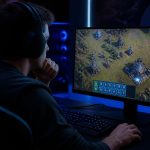
Esports teams and coaching are pivotal elements in the competitive gaming landscape, where strategizing and skill development can significantly impact performance outcomes. As esports continues to evolve, the demands on players and coaches become more complex, requiring innovative approaches to training and team dynamics. This article delves into the various coaching strategies that have been shown to drive performance improvement within esports teams, exploring how these methods can be effectively implemented in different gaming environments.
Understanding the Role of Coaches in Esports
The role of coaches in esports is multifaceted, extending beyond mere instruction to encompass mentorship, strategy development, and psychological support. Coaches are responsible for analyzing gameplay, developing strategies tailored to their team’s strengths and weaknesses, and helping players enhance their individual skills. They also foster a team culture that promotes collaboration and resilience.
Successful coaches often engage in extensive game analysis, utilizing tools and software that track player performances and match statistics. This data-driven approach allows them to identify patterns, strengths, and areas needing improvement. By reviewing replays and conducting post-game analyses, coaches can provide targeted feedback, enabling teams to adjust their strategies and improve performance in subsequent matches.
Coaching Strategies That Enhance Team Dynamics
Team dynamics play a crucial role in the success of esports teams. Coaches need to cultivate an environment where communication, trust, and teamwork flourish. One effective strategy is the implementation of regular team-building exercises, both in-game and out. These activities help foster interpersonal relationships, which can translate to improved coordination and synergy during competitive play.
Moreover, establishing clear roles within the team is essential. Each player should understand their responsibilities and how they contribute to the team’s overall strategy. Coaches can facilitate this by conducting role-specific training sessions focused on optimizing individual performance while maintaining a cohesive team strategy. This clarity allows team members to support one another effectively, enhancing overall team performance.
Psychological Coaching: Mental Resilience in Gaming
In the high-stakes environment of esports, mental resilience is just as vital as technical skill. Coaches increasingly recognize the significance of psychological coaching to improve focus, reduce anxiety, and enhance overall player well-being. Techniques such as mindfulness training, visualization, and stress management practices can be integrated into training regimens.
Coaches can also encourage players to maintain a healthy work-life balance, which is essential for sustaining long-term performance. By incorporating breaks, promoting physical activity, and ensuring that players have time to unwind, coaches can contribute to a more mentally healthy team dynamic. This holistic approach not only improves individual performance but also strengthens team morale. For more on this topic, see bokep anak.
Adapting Coaching Styles to Different Games
Different esports titles often require tailored coaching strategies due to their unique mechanics and competitive environments. For instance, a first-person shooter (FPS) like “Counter-Strike: Global Offensive” demands a focus on reflexes and map knowledge, while a multiplayer online battle arena (MOBA) like “League of Legends” emphasizes strategy and team composition. Coaches must adapt their methodologies to fit the specific demands of the game they are working with.
In FPS games, rapid decision-making and quick adjustments are crucial. Coaches may implement drills that enhance reaction times and situational awareness. Conversely, MOBA coaches might focus on collaborative strategies and communication skills since these games require extensive teamwork and coordination to succeed. Coaches must stay updated on the evolving metagame and incorporate innovative strategies that can give their teams a competitive edge.
Utilizing Technology in Coaching Practices
The integration of technology into coaching practices has transformed how esports teams train and prepare for competitions. Platforms for live streaming, video analysis, and performance tracking allow coaches to create a more interactive training environment. By leveraging these tools, teams can analyze gameplay in real-time, facilitating immediate feedback and adjustments.
Additionally, technology can help coaches track player statistics over time, providing insights into performance trends and areas for growth. For example, using software to analyze player movement and decision-making can reveal hidden weaknesses that may not be immediately apparent during live play. This data-driven approach aligns with the broader trends in sports science, where analytics play an increasingly significant role in performance improvement.
In conclusion, esports teams and coaching are integral to the success of competitive gaming organizations. By understanding the multifaceted role of coaches, implementing effective strategies for team dynamics, prioritizing mental resilience, adapting coaching styles to different games, and utilizing technology, teams can drive performance improvement. As the esports landscape continues to grow and evolve, so too will the strategies employed by coaches, ensuring that they remain a vital part of the competitive gaming ecosystem.